The Artistic Techniques That Define Ukiyo-e Woodblock Prints
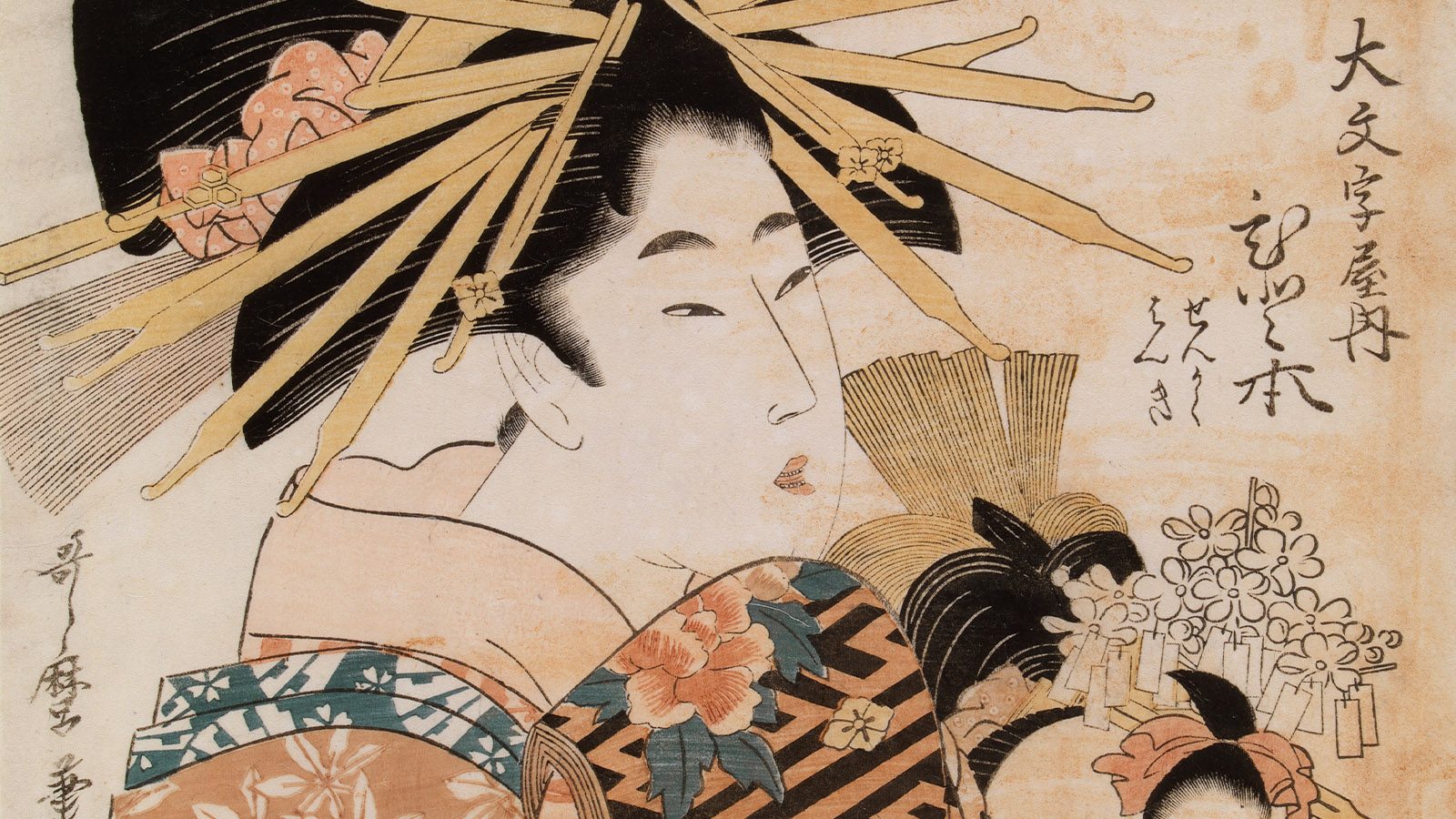
Ukiyo-e, a traditional form of Japanese woodblock printmaking, flourished from the 17th through the 19th centuries and continues to captivate art enthusiasts worldwide. The term "Ukiyo-e" translates to "pictures of the floating world," which aptly describes the genre's focus on depicting the pleasures of everyday life, including landscapes, kabuki actors, beautiful women, and scenes from folklore. The artistry of Ukiyo-e lies not only in its stunning imagery but also in the sophisticated techniques employed by the skilled artisans who created these masterpieces.
Printing Techniques
The technique of woodblock printing itself is a remarkable blend of craftsmanship and artistry. Each Ukiyo-e print operates on a multi-block system, where each color is carved onto a separate wood block. This method requires precision, as an artist must ensure that every block aligns perfectly during the printing process to create a cohesive image. The use of pigments derived from natural dyes further adds depth and vibrancy to the prints. Notably, the technique of bokashi—where colors gradually fade into one another—allows for a gentle transition between shades, which enhances the visual appeal of the work.
Importance of Line Work
Another defining characteristic of Ukiyo-e prints is their detailed line work. Artists used a technique known as "kento," which involves creating registration marks that ensure the precise alignment of different colors and lines on the paper. The mastery of line work in Ukiyo-e often reflects the individual style of each artist. Leading figures such as Katsushika Hokusai and Utagawa Hiroshige are known for their unique interpretations of landscapes and subjects, showcasing how their defined lines transformed the printing technique into an expressive art form. Buyers of Ukiyo E Merch appreciate this line work in the intricately detailed reproductions of these classic prints, making each piece a statement of cultural significance and aesthetic beauty.
The Role of Composition and Perspective
Composition and perspective are critical in Ukiyo-e, often adopting Western artistic principles of space and depth. For example, the use of diagonal lines is prevalent, creating a sense of movement and dynamism within a scene. The artists explored different viewpoints and angles to represent landscapes or figures in a manner that engaged the viewer. The flattened perspective, coupled with layered foregrounds and backgrounds, invites the audience to immerse themselves in the depicted world. This innovative approach not only showcases the scenery but also elevates the narratives within the prints. Collectors and admirers of Ukiyo E Merch look for these aesthetic qualities that reflect the intricate processes behind the prints.
Symbolism and Cultural Significance
Beyond the technical aspects, Ukiyo-e prints are rich in symbolism influenced by Japanese culture and beliefs. Many prints feature motifs representative of fortune and happiness, such as cranes, cherry blossoms, and waves. The artists often imbued their work with deeper meanings related to the transient nature of life, as suggested by the term "Ukiyo." The blending of artistic techniques, composition, and thematic representation contributes to a narrative that speaks to the human experience. This cultural richness found in Ukiyo E Merch allows fans to appreciate not just the artwork but also the historical context and emotional resonance embedded within each piece.
In conclusion, Ukiyo-e woodblock prints are a remarkable fusion of artistic techniques and cultural significance that continue to inspire admiration and respect. From the meticulous carving of woodblocks to the captivating use of color and line, these artworks change how we view and appreciate Japanese art history. The enduring popularity of Ukiyo E Merch reflects a deep appreciation for these classic prints, ensuring that their beauty and stories endure beyond time.